

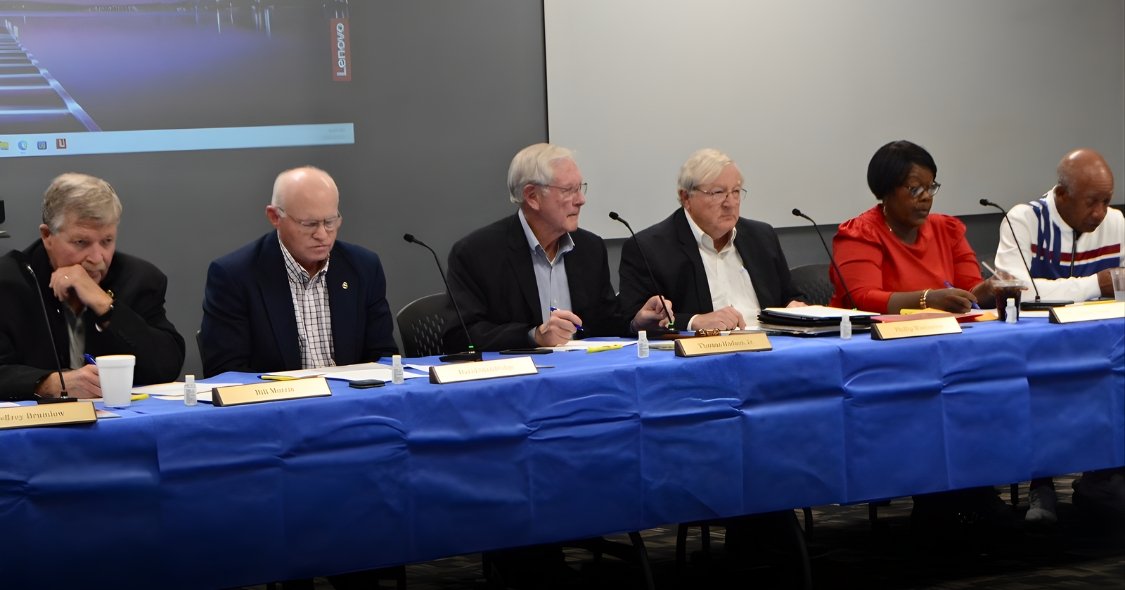
Supporters of the decision, including Board Chairman Tommy Hudson, argued that ending the program would restore fairness and a merit based procurement process. However, opponents including Board Member Jarvis Patton and Jefferson County Commissioner Sheila Tyson warned that removing the program undermines equity, accountability, and transparency. Following the vote, information about the HUB program and minority participation data was removed from public view.
The decision reflects a broader shift in governance that began after the Alabama Legislature restructured the water board, reducing Birmingham’s control and ending several initiatives designed to support minority business participation.
Statement From The President Of The Black Contractors Association

At The Black Contractors’ Association Alabama Chapter, we believe that equity and excellence go hand in hand. Programs like the HUB initiative are not about exclusion or preference; they are about correcting long standing disparities and ensuring that public systems reflect and serve the full diversity of the communities that support them.
“Equity requires representation. The citizens of Birmingham fund and sustain the water system, yet decisions are being made without us. Removing DEI from the Water Board doesn’t promote fairness; it weakens accountability. Our voices matter. Our investment matters. Our representation matters.”
Public institutions have a responsibility not only to manage resources efficiently but also to do so in a way that is transparent, inclusive, and accountable. As these policy changes continue to unfold, we remain committed to advocating for fair access, meaningful representation, and opportunities for all businesses, especially those that have historically been excluded from the process.
“You can’t talk about fairness while excluding the people who built and fund the system. The removal of DEI from the Central Alabama Water Board is a step away from true equity, and our community deserves better. Stay informed. Stay engaged. More is coming.”
“This isn’t about politics. It’s about who pays, who depends on it, and who gets represented. When Birmingham funds the system but loses its voice, equity is not being served. Removing DEI doesn’t level the field; it tilts it.”
The conversation is not merely about procurement policy. It is about whose voices are valued, whose participation is prioritised, and how public systems can truly serve the communities that depend on them.
Jarrod Sims, President, The Black Contractors’ Association Alabama Chapter Inc
Post a comment
Related Posts

February 11, 2026
Erasing the Past Won’t Build the Future: Why Removing Black History Is a Threat to Justice
They Didn’t Just Take Down Plaques – They Tried to Take Down People They didn’t…

January 7, 2026
Why the Black Contractors Association Alabama Chapter Supports Marriott International’s Stand on Inclusion
By Jarrod Sims, PresidentBlack Contractors Association – Alabama Chapter Corporate responsibility is most clearly demonstrated…
November 28, 2025
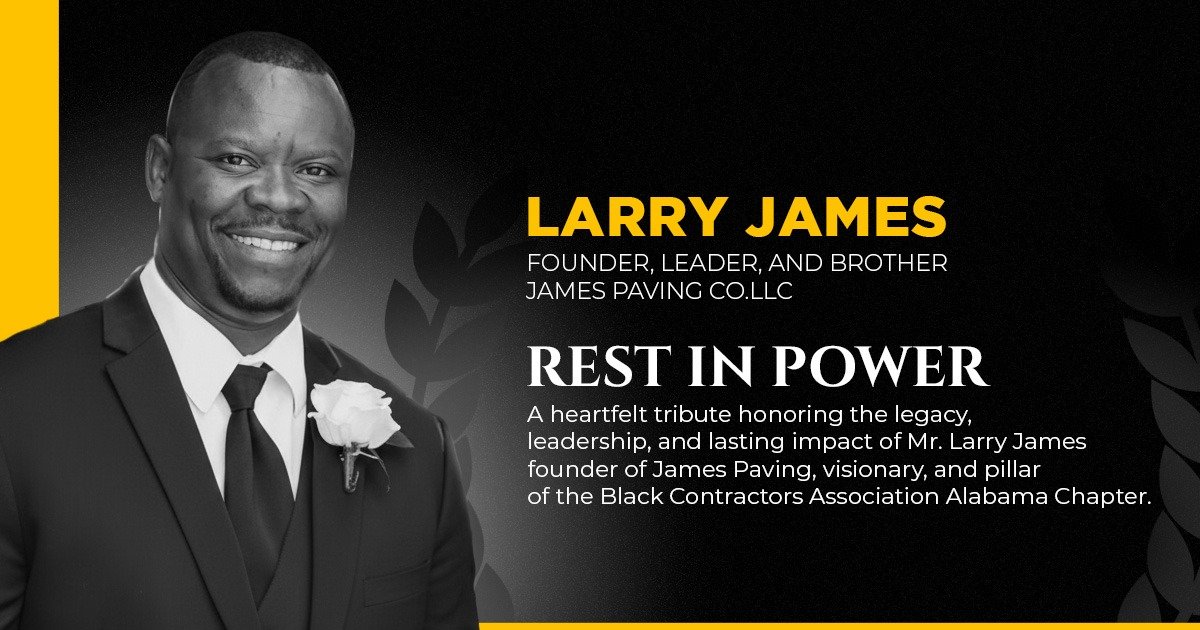
Honoring Mr. Larry James: Founder of James Paving
The Black Contractors Association Alabama Chapter (BCAAC) honours the life, legacy, and extraordinary leadership of…

November 22, 2025
Honoring the Legacy of Mr. Larry James: A Tribute
Today, the Black Contractors Association Alabama Chapter pauses with heavy hearts to honor the life,…